Introduction
Tracking and tracing systems are no longer optional tools. They are essential for businesses that require real-time visibility, operational intelligence, and reliable delivery performance.
Whether you operate a courier service, manage a logistics network, or oversee a fleet, understanding track and trace helps you improve efficiency, accountability, and customer satisfaction.
Table of Contents
- Introduction to Track and Trace
- What Is Track and Trace
- How Track and Trace Works
- Key Benefits of Track and Trace
- Technologies Behind Track and Trace
- Common Track and Trace Use Cases
- Why Choosing the Right Track and Trace Partner Matters
- Frequently Asked Questions (FAQs)
- Conclusion and Call to Action
What Is Track and Trace
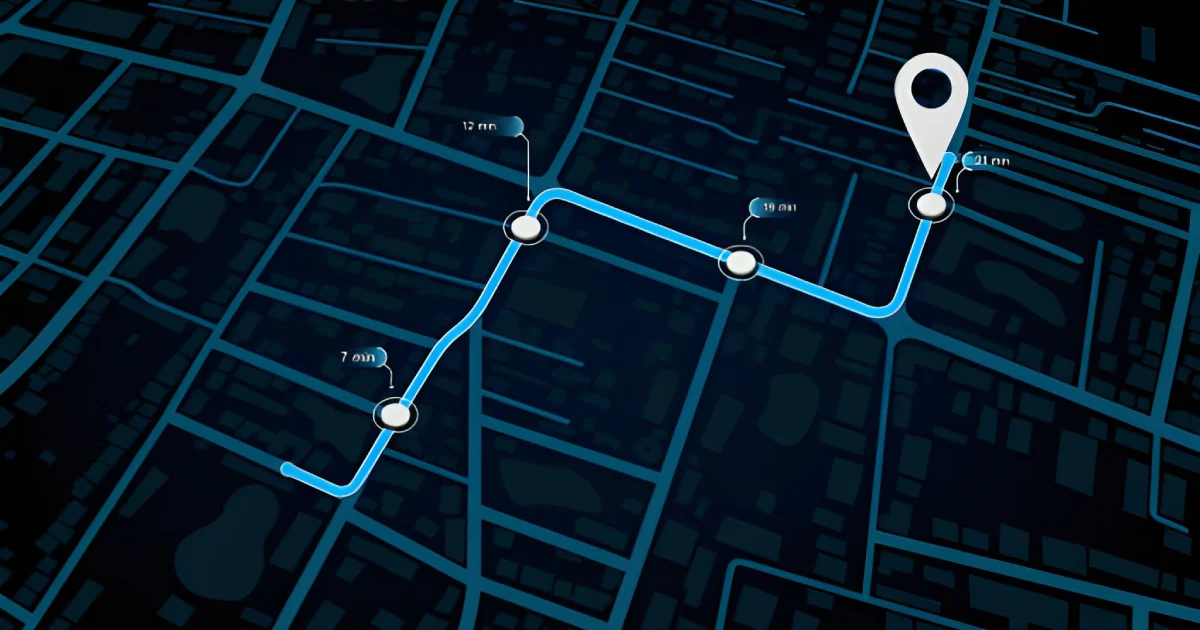
Track and trace refers to a system that monitors and records the location and status of products, vehicles, or assets throughout their entire journey.
The system combines identification and tracking technologies such as barcodes, RFID, and GPS to capture movement data at key checkpoints, creating a complete history from origin to destination.
According to Wikipedia, track and trace systems are widely used to improve transparency, security, and control across supply chains.
How Track and Trace Works
A track and trace system relies on multiple technologies working together to provide continuous visibility.
Core Components
- Barcode or RFID tags scan items at different stages
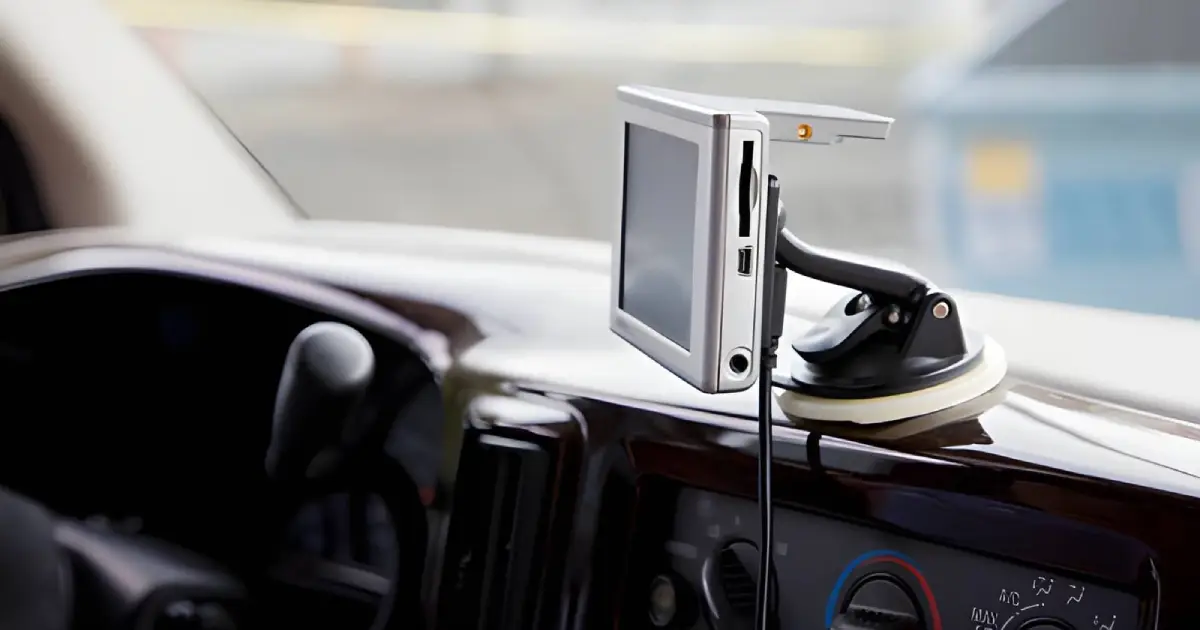
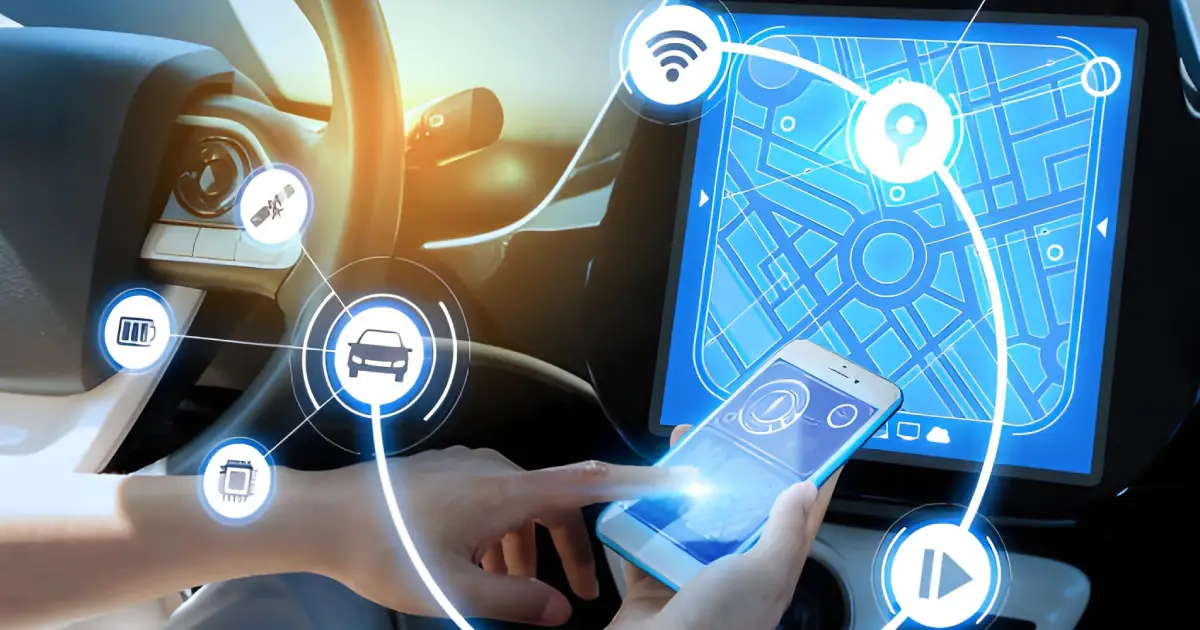
- GPS and telematics provide real-time location updates
- Central databases store movement and status data
- Tracking portals share updates with internal teams or customers
Each checkpoint records information that builds a full timeline of the asset’s journey, allowing businesses to respond quickly to delays or deviations.
InterSystems highlights that real-time tracking data improves operational coordination and decision-making.
Key Benefits of Track and Trace
Implementing a track and trace solution delivers measurable improvements across operations.
1. Real-Time Visibility and Transparency
Track and trace systems give businesses a live view of shipments, vehicles, and inventory.
This reduces blind spots and allows teams to reroute deliveries or resolve delays before they affect customers.
2. Improved Customer Experience
Modern customers expect accurate delivery updates.
Track and trace enables businesses to share real-time status and ETAs, reducing support inquiries and increasing trust.
3. Operational Cost Reduction
With precise location data, companies can:
- Optimize routes
- Reduce buffer stock
- Eliminate manual tracking processes
Barcode India notes that track and trace significantly lowers logistics and inventory costs.
4. Increased Security and Compliance
Track and trace help identify theft, tampering, or unauthorized movement.
For regulated industries, tracking records also supports compliance audits and quality assurance.
5. Faster Issue Resolution
Alerts triggered by route deviations or delays allow teams to act immediately, preventing larger disruptions later in the supply chain.
Technologies Behind Track and Trace
Modern track and trace systems are powered by a combination of advanced technologies.
- Barcodes and RFID for fast identification
- GPS and telematics for live location data
- IoT sensors for condition monitoring
- ERP and TMS integrations for centralized reporting
Together, these technologies enable accurate and reliable tracking across complex operations.
Common Track and Trace Use Cases
Logistics and Shipping
Track and trace allows logistics providers to monitor shipments across long-distance and international routes.
Shipping leaders like Hapag-Lloyd use tracking systems to provide shipment visibility at every stage.
Inventory Management
Inventory systems use track and trace to maintain accurate stock levels across warehouses and locations.
This reduces stockouts, overstocking, and storage costs.
Courier and Delivery Services
Courier businesses rely on real-time tracking to enhance route planning, assess delivery performance, and provide accurate ETAs to customers.

Why Choosing the Right Track and Trace Partner Matters
Technology alone is not enough. A reliable tracking partner ensures accuracy, scalability, and long-term performance.
With Track Ride GPS, businesses gain access to advanced GPS-based track and trace solutions designed for fleet and logistics operations.
Through its platform, companies can:
- Monitor vehicles and deliveries in real time
- Reduce delays and inefficiencies
- Improve delivery accuracy and customer satisfaction
Explore full tracking and logistics solutions.
For deeper insight into live vehicle monitoring and GPS implementation, review the dedicated GPS tracking solutions available on the same platform.
FAQs:
Q1. Does a track-and-trace system reduce delivery times?
Yes. Real-time monitoring allows early detection of delays and enables route or resource adjustments.
Q2. Can customers track orders themselves?
Yes. Many systems provide customer portals or automated updates with current status and estimated arrival times.
Q3. Is track and trace suitable for small businesses?
Absolutely. Small and medium businesses benefit significantly, especially in logistics, courier services, and inventory management.
Conclusion and Call to Action:
Track and trace systems have become a foundation of modern logistics, fleet management, and supply chain operations.
They provide real-time visibility, improve efficiency, enhance security, and strengthen customer trust.
If your business needs a reliable and scalable track and trace solution, explore the advanced GPS tracking services offered by Track Ride GPS.