Introduction
Driver safety and performance are critical concerns for businesses managing fleets in the UAE. Accidents, unsafe driving habits, and inefficient route planning can lead to increased costs, vehicle damage, and reputational risks. GPS tracking technology has become an essential tool for companies seeking to enhance driver safety, monitor behavior, and improve overall fleet performance.
By providing real-time insights, alerts, and actionable analytics, GPS tracking systems help businesses maintain safer roads, reduce accidents, and ensure operational efficiency.
1. Real-Time Monitoring of Drivers
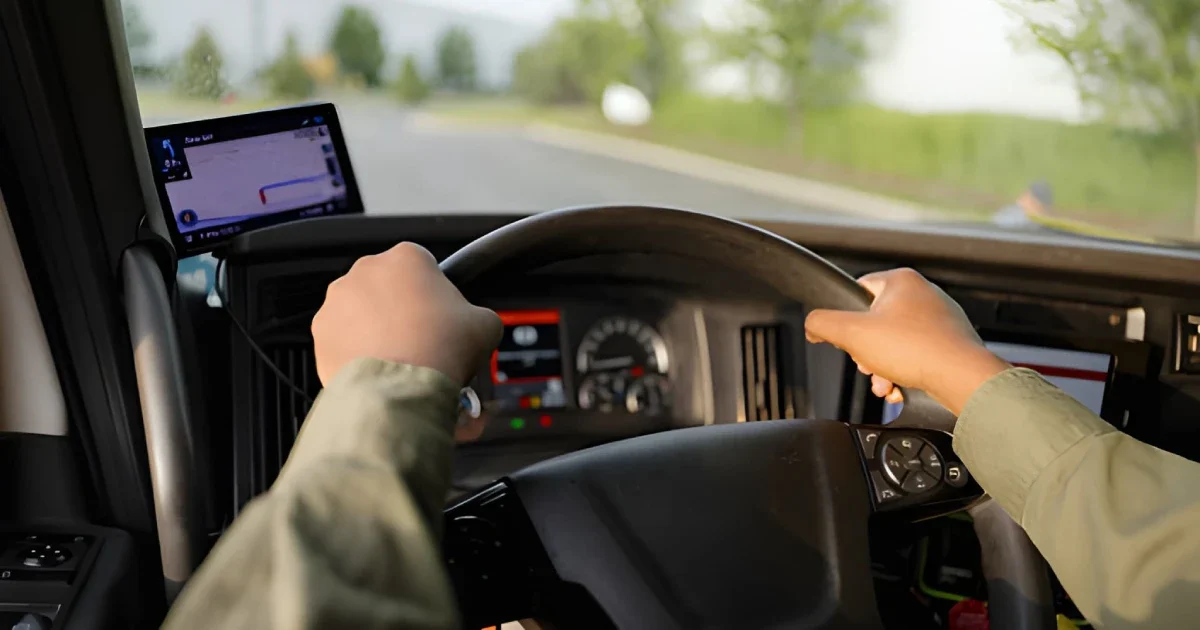
GPS tracking enables fleet managers to monitor drivers in real time, including location, speed, and route adherence. This oversight allows managers to identify risky behaviors such as speeding, harsh braking, or unnecessary idling. Immediate feedback can be provided to drivers, correcting unsafe habits before they lead to accidents or fuel wastage.
Example: A logistics company in Dubai implemented GPS tracking and saw a 15% reduction in speeding incidents within the first three months.
2. Promoting Safe Driving Habits
Monitoring driver behavior with GPS systems encourages safe and responsible driving. Analytics provide data on acceleration patterns, braking habits, and idle times. Companies can use this information to reward safe driving, provide training programs, and establish best practices for fleet operations.
Tip: Incentivizing drivers for maintaining safe driving records can significantly improve performance and reduce accident rates.
3. Reducing Accidents and Risk
Unsafe driving is a leading cause of accidents in fleet operations. GPS tracking helps prevent accidents by providing real-time alerts for over-speeding, route deviations, or unsafe maneuvers. By addressing risks proactively, businesses can reduce vehicle damage, liability claims, and employee injuries, creating a safer work environment.
Example: A delivery company in Abu Dhabi reduced accidents by 20% after integrating GPS tracking and driver monitoring into their fleet operations.
4. Enhancing Route Efficiency
Efficient route planning also contributes to driver safety. GPS tracking systems suggest optimal routes considering traffic conditions and road hazards. Drivers spend less time in congested areas, reducing stress, fatigue, and the likelihood of accidents. Efficient routes also minimize unnecessary stops and unsafe shortcuts.
5. Accountability and Performance Improvement
GPS tracking fosters accountability among drivers. Managers can track on-time deliveries, route compliance, and driving efficiency. This transparency helps identify underperforming drivers, provide corrective guidance, and reward high-performing drivers. Over time, this leads to consistent improvement in overall fleet performance.
6. Data-Driven Decision Making
Modern GPS systems provide comprehensive reports on driver behavior, fuel usage, idle times, and route efficiency. Fleet managers can use this data to implement training programs, optimize schedules, and enhance vehicle allocation. Data-driven insights improve operational efficiency while ensuring driver safety and accountability.
7. Benefits for UAE Businesses
- Improved Safety: Reduce accidents, risky driving, and vehicle damage.
- Enhanced Productivity: Optimize routes and schedules for timely deliveries.
- Cost Reduction: Minimize fuel wastage and maintenance expenses.
- Driver Accountability: Monitor performance and reward safe driving.
- Regulatory Compliance: Maintain accurate driving records for audits or inspections.
FAQs
Q1: How can GPS tracking help new drivers?
A: GPS tracking provides real-time feedback, allowing new drivers to learn safe practices, follow optimal routes, and reduce mistakes.
Q2: Can GPS tracking reduce fuel costs while improving safety?
A: Yes. By promoting safe driving and optimizing routes, fuel consumption is reduced alongside accident risks.
Q3: Is GPS tracking difficult to implement for UAE fleets?
A: No. Modern systems are easy to install, user-friendly, and provide both web and mobile dashboards for fleet management.
Q4: Can GPS tracking help in driver training programs?
A: Absolutely. The data collected can highlight risky behaviors and areas for improvement, forming the basis of targeted training.
Conclusion
GPS tracking is a transformative tool for UAE businesses seeking to improve driver safety and fleet performance. By monitoring driver behavior, optimizing routes, and providing real-time alerts, companies can reduce accidents, fuel costs, and operational inefficiencies.
Investing in GPS tracking not only enhances safety but also drives productivity, accountability, and overall fleet performance. For businesses in the UAE, adopting GPS tracking solutions is a strategic approach to protecting drivers, vehicles, and operational investments.