
Introduction
Efficient fleet management is a critical aspect of business operations in the UAE, where companies rely on vehicles for logistics, deliveries, and employee transport. Effective management not only reduces costs but also enhances safety, productivity, and customer satisfaction. By implementing best practices, UAE companies can ensure their fleets are optimized, secure, and sustainable.
1. Implement GPS Tracking Systems
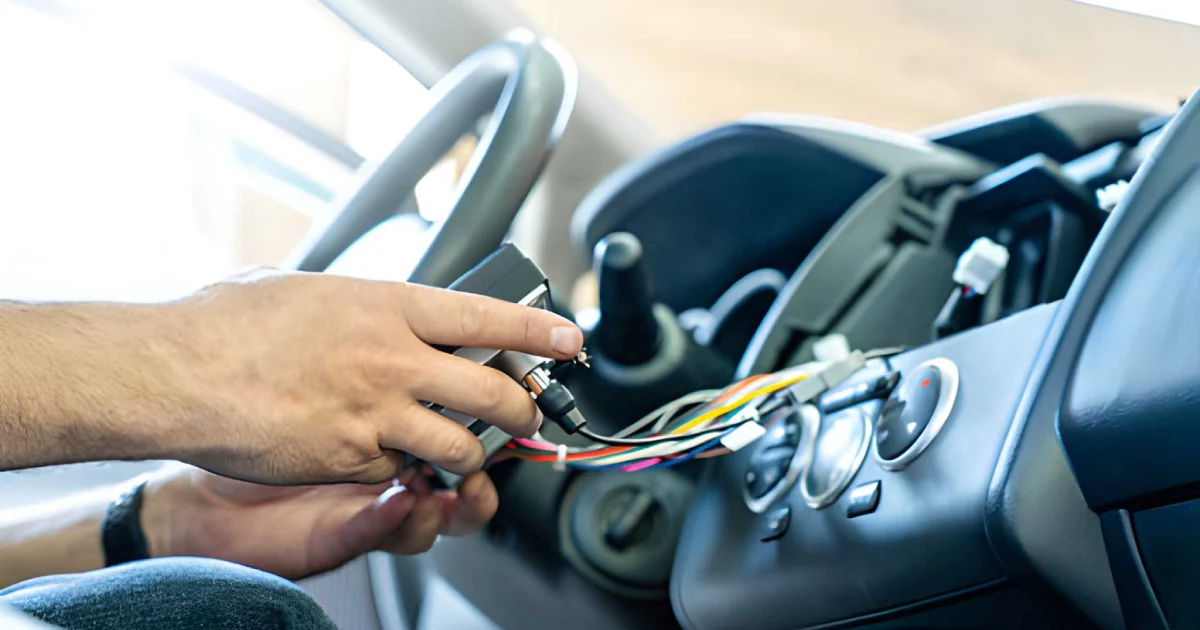
One of the foundational practices for modern fleet management is the use of GPS tracking. Real-time monitoring allows businesses to track vehicle locations, manage routes, and monitor driver behavior. GPS systems also provide detailed reports and analytics, enabling companies to make data-driven decisions and improve operational efficiency.
Example: A delivery company in Dubai reduced idle time and fuel consumption by 15% after integrating GPS tracking into its fleet.
2. Optimize Routes and Schedules
Efficient route planning is essential to reduce travel time, fuel consumption, and vehicle wear and tear. Fleet management software can identify the most efficient routes based on traffic patterns, distance, and delivery priorities. In the UAE, where traffic congestion is common in urban areas like Abu Dhabi and Dubai, route optimization ensures timely deliveries and cost savings.
3. Monitor Driver Behavior
Driver behavior directly impacts fleet performance and costs. Monitoring acceleration, braking, idling, and speed helps identify unsafe or inefficient driving habits. By providing feedback and training, companies can encourage safer and more fuel-efficient driving, which reduces accidents, maintenance costs, and fuel consumption.
4. Schedule Regular Vehicle Maintenance
Preventive maintenance is a key component of fleet management. Regular inspections and timely servicing of vehicles prevent breakdowns, improve fuel efficiency, and extend vehicle life. Fleet managers should maintain detailed maintenance records and integrate alerts into their fleet management software to avoid missing service schedules.
5. Implement Safety Protocols
Safety should be a priority for all UAE companies managing fleets. This includes driver training programs, vehicle safety checks, and compliance with UAE road regulations. Vehicle tracking can complement safety protocols by monitoring driving behavior and providing alerts for overspeeding or route deviations.
6. Leverage Data Analytics
Advanced fleet management solutions offer analytics on fuel usage, vehicle performance, route efficiency, and driver behavior. Companies can use this data to identify underperforming vehicles, optimize routes, plan fuel budgets, and implement cost-saving strategies. Data-driven insights help managers make strategic decisions that improve overall fleet efficiency.
7. Adopt Scalable Fleet Management Solutions
As companies grow, their fleet requirements also increase. Adopting scalable solutions ensures that fleet management systems can accommodate more vehicles, additional routes, and advanced reporting as the business expands. Scalable solutions help UAE companies maintain operational control without disruptions.
8. Promote Sustainability
Modern UAE companies are increasingly focused on sustainability. Fuel-efficient driving, route optimization, and regular vehicle maintenance contribute to lower carbon emissions. Additionally, fleet managers can consider hybrid or electric vehicles as part of their long-term strategy to reduce environmental impact.
FAQs
Q1: How can UAE companies track fleet performance effectively?
A: By using GPS tracking and fleet management software, companies can monitor vehicle locations, driver behavior, fuel consumption, and route efficiency in real time.
Q2: Are these practices suitable for small fleets?
A: Yes, even small fleets benefit from route optimization, driver monitoring, and preventive maintenance, leading to cost savings and improved safety.
Q3: How often should vehicles undergo maintenance?
A: Vehicles should have scheduled maintenance based on mileage, engine hours, and manufacturer recommendations to ensure optimal performance and safety.
Q4: Can these practices reduce operational costs?
A: Absolutely. Efficient fleet management practices lower fuel consumption, reduce maintenance costs, minimize accidents, and enhance overall productivity.
Conclusion
Implementing best fleet management practices is essential for UAE companies to stay competitive, reduce costs, and improve operational efficiency. From GPS tracking and route optimization to driver monitoring and preventive maintenance, these strategies ensure that fleets operate safely, efficiently, and sustainably.
By adopting these practices, businesses can achieve higher productivity, lower costs, and greater customer satisfaction, while also contributing to a greener and more sustainable future.